
From Silence to Song
Real stories of children who found their voice, their beat, and their future through AACO.
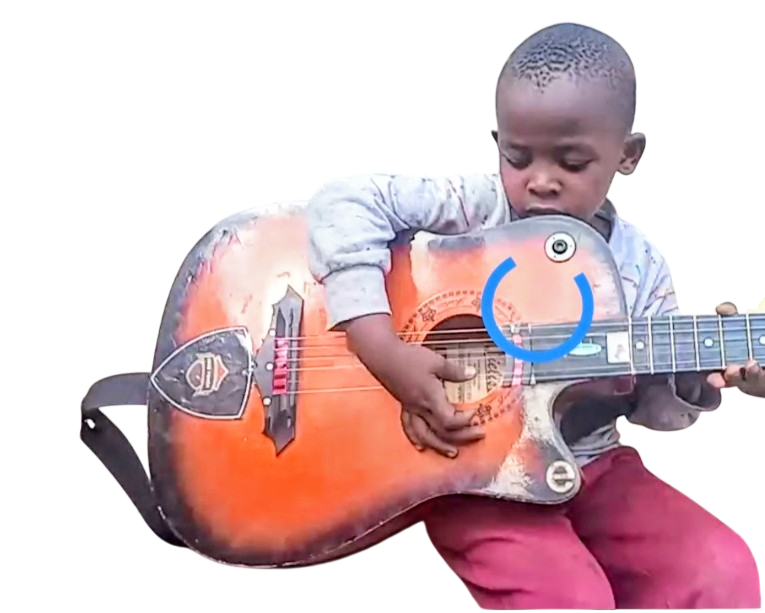
“I thought my hands were useless”
Eight‑year‑old Samuel had never held anything more precious than a broken plastic cup. Living in the crowded backstreets of Donholm, Nairobi, his days were a blur of hunger and shame. His father had left; his mother washed clothes for neighbours. Samuel believed he was born to be invisible.
Then AACO came to his community centre. A volunteer placed a worn‑out guitar in his lap. Samuel flinched – he was sure he would break it. But the volunteer gently guided his fingers to the strings. The first sound was awkward, almost painful. Yet, after three weeks of patient coaching, Samuel played his first clean chord. “It felt like thunder coming out of my chest,” he says with a shy smile. Today, Samuel practices two hours every evening. He has stopped hiding in the corner. He teaches younger children the two songs he knows. “When I play, people listen. I am not nothing anymore.” Samuel dreams of becoming a music teacher – so that other children who feel invisible can also find their voice.
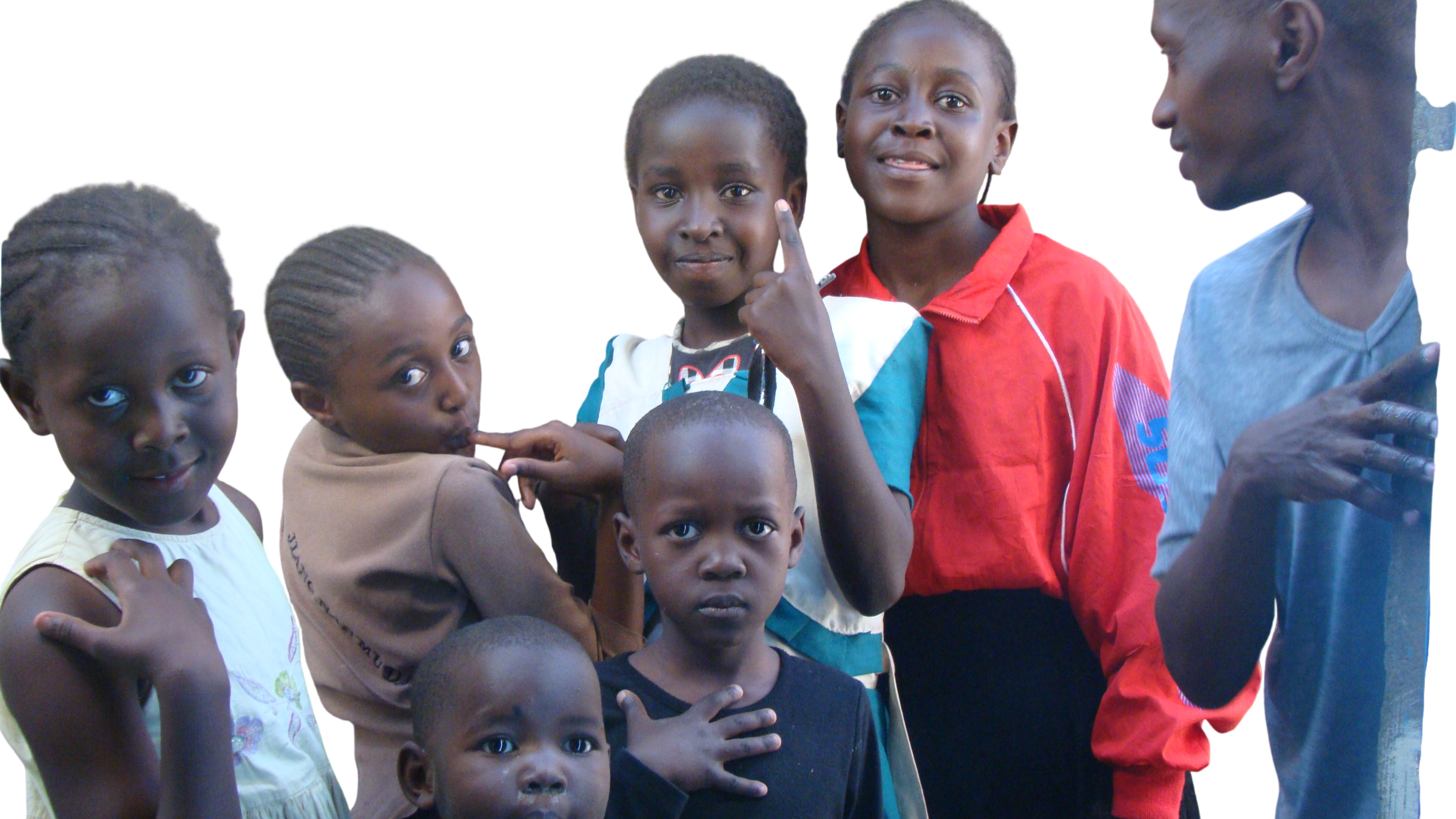
Words that broke the silence
Twelve‑year‑old Mary had not spoken a full sentence in school for two years. Not because she couldn’t – but because she was terrified of being mocked. She and her younger brother lived with an elderly grandmother in a single‑room shack in Migori. Food was scarce; school fees were a distant dream. Mary’s world was built on scarcity and shame.
One afternoon, an AACO facilitator organised a poetry workshop. Mary sat at the back, head down. But the facilitator placed a crumpled notebook in front of her and said, “Write about the thing you see every day.” Mary wrote about the rusted iron sheet on her roof that leaked when it rained. She wrote about the sound of her grandmother coughing all night. And then, to her own surprise, she stood up and read it aloud. The room went quiet. Then children clapped. For the first time, Mary felt seen – not for her poverty, but for her truth. Now she performs at community gatherings. “Poetry is my weapon,” she says. “It turns pain into power.” Mary dreams of becoming a journalist to give voice to the voiceless.
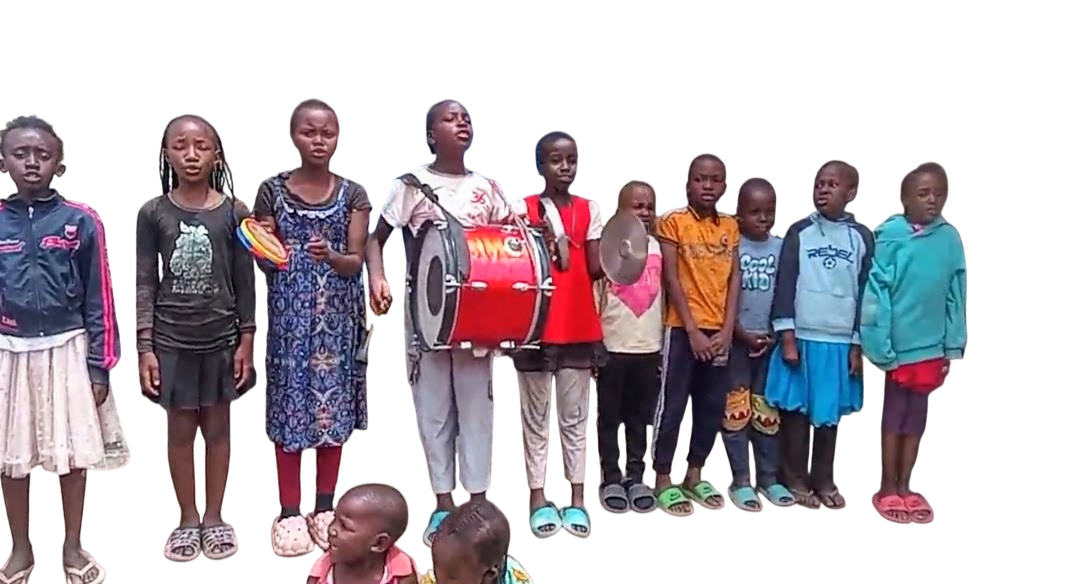
“The drum is my heart now”
For ten‑year‑old Brian, anger was his only language. His father was in prison; his mother worked as a casual labourer in Nairobi’s industrial area. Brian got into fights weekly. Teachers had given up on him. At home, he would bang on empty jerricans – not to make music, but to release the rage that had no outlet.
When AACO set up a drumming circle in his school, Brian was drawn to the drum set like a magnet. He didn’t need words. He just hit. And for the first time, someone didn’t punish him for the noise. Instead, a coach taught him rhythm – slow, then fast, then in sync with others. “I learned that my anger could become a beat,” Brian says. Within two months, he was leading the children’s percussion group. Drumming gave him discipline and a place to belong. “When I play, I forget that my father is not home. I forget that I was hungry this morning. I only hear the drum – and it tells me I am strong.” Brian now dreams of being a professional drummer and starting a band with his friends from the slum. He no longer fights. He plays.
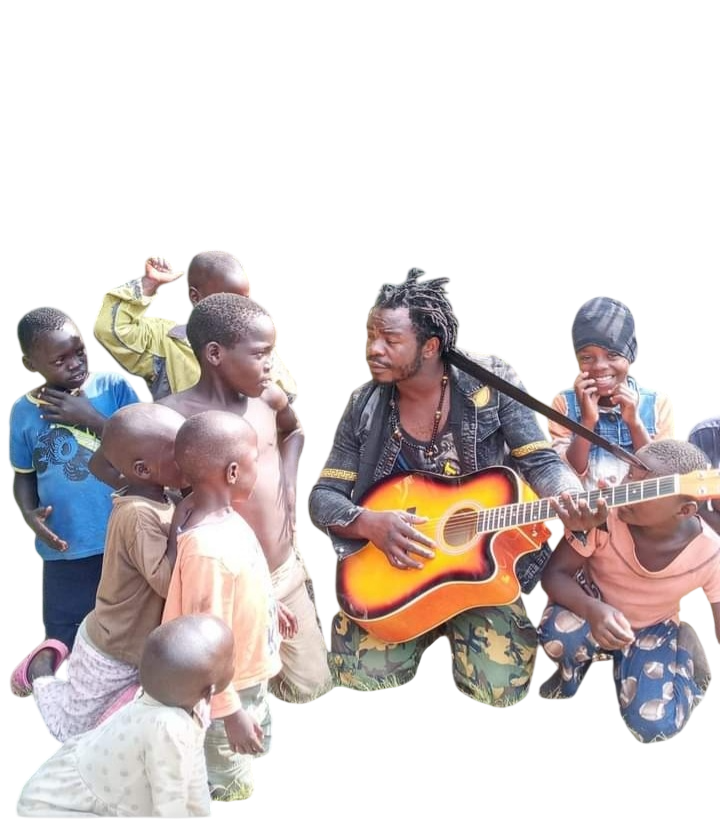
“He didn’t give up on me”
Fifteen‑year‑old Esther had been out of school for two years. She was the primary caregiver for her three younger siblings while their mother worked as a house help. Esther had forgotten what it felt like to learn something new. Her hands were rough from washing clothes and fetching water. She believed her future was already written: early marriage and a life of labour.
When AACO’s founder, Antony Muga, visited their village, he noticed Esther watching from a distance. He walked up to her, knelt down, and asked, “What do you want to learn?” Esther whispered, “Guitar.” Antony did not laugh. He brought a guitar to her doorstep every Saturday for three months. He taught her calluses, chords, and confidence. “He never looked at my torn dress or my dirty feet,” Esther says. “He looked at my fingers.” Today, Esther not only plays guitar – she teaches six other girls in her neighbourhood. “Antony showed me that someone believed in me. Now I believe in myself.” She is back in school and hopes to study music production. “The guitar saved me from a future I didn’t choose.”
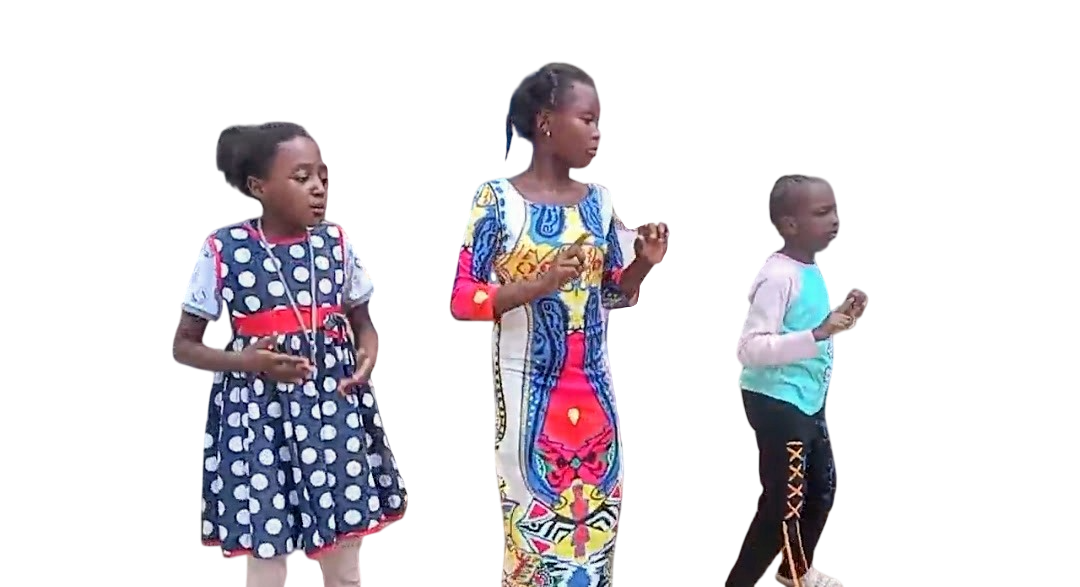
Dancing away the weight of poverty
Nine‑year‑old Grace had never danced in public. She was ashamed of her worn‑out shoes and the patches on her skirt. In Kakamega, where she lived with her unemployed mother, joy was a luxury. Grace spent most days helping her mother sell vegetables by the roadside. She had forgotten how to smile.
One day, an AACO dance facilitator gathered children under a mango tree. Grace hid behind a post, but the music – a simple drum loop from a phone – made her foot tap. The facilitator noticed and gently pulled her into the circle. “Move however you feel,” she said. Grace closed her eyes and swayed. Soon she was spinning, leaping, laughing. “For those five minutes, I forgot that my stomach was empty,” she recalls. The facilitator started a weekly dance club. Grace became the lead dancer, choreographing routines that told stories of harvest and hope. “When I dance, I am not a poor girl. I am an artist.” Her mother cries every time she watches Grace perform. “She becomes so light, as if poverty cannot touch her there.” Grace now dreams of opening a dance school for children like her.